


Understanding Community Safety Scenarios

Community safety is a priority for everyone. It affects how we live, work, and interact in our neighborhoods. I want to share insights about community safety scenarios and how they help us understand and improve public safety. These scenarios show real-life situations where safety measures and community cooperation make a difference.
Exploring Community Safety Scenarios
Community safety scenarios describe situations where safety risks arise and require action. These scenarios help us prepare for emergencies, prevent crime, and build trust between residents and responders. For example, a community safety scenario might involve a sudden fire in a residential area or a suspicious activity report in a park.
By studying these scenarios, we learn how to respond quickly and effectively. We also see the importance of communication and collaboration. When neighbors and emergency personnel work together, they can reduce harm and improve outcomes.
Some common community safety scenarios include:
Natural disasters like floods or storms
Medical emergencies requiring fast response
Crime prevention and reporting suspicious behavior
Traffic accidents and road safety issues
Public health concerns such as outbreaks or contamination
Each scenario requires specific actions and tools. For instance, in a flood, evacuation plans and early warnings are crucial. In crime prevention, neighborhood watch programs and timely alerts help keep people safe.
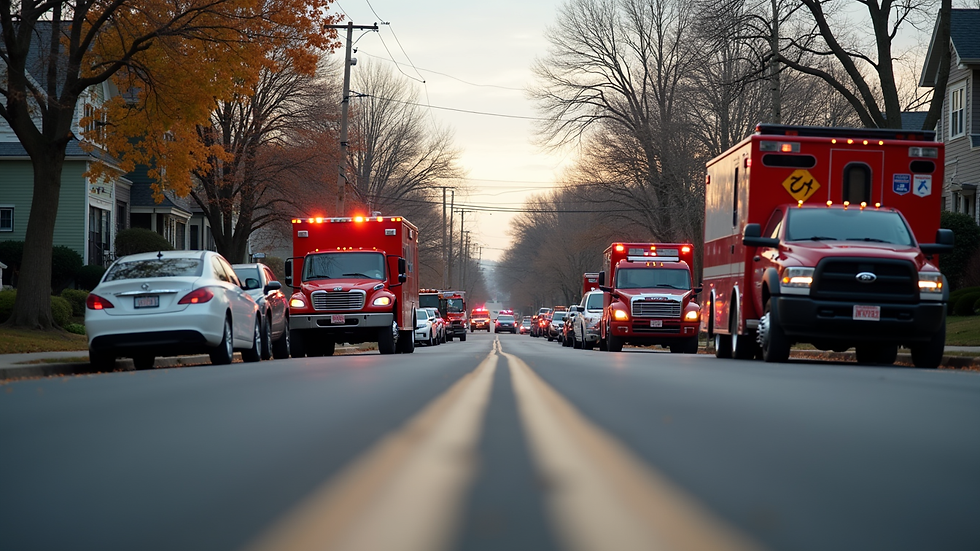
How Community Safety Scenarios Improve Preparedness
Understanding community safety scenarios helps us prepare better. Preparation means knowing what to do before, during, and after an incident. It also means having the right resources and information available.
Here are practical steps to improve preparedness:
Education and Training - Residents and responders should learn about common safety risks and response techniques.
Communication Systems - Reliable channels for alerts and updates keep everyone informed.
Emergency Plans - Clear, accessible plans guide actions during crises.
Community Engagement - Building relationships between residents and responders fosters trust and cooperation.
Technology Use - Tools like mobile apps and sensors can provide real-time data and alerts.
By focusing on these areas, communities can reduce panic and confusion during emergencies. They can also recover faster and minimize damage.
What are the 4 pillars of community policing?
Community policing is a key strategy in enhancing safety. It relies on four main pillars that support strong community relationships and effective law enforcement:
Community Partnerships
Building trust and cooperation between police and community members. This includes regular meetings, joint problem-solving, and shared goals.
Organizational Transformation
Changing police culture and policies to support community engagement and proactive problem-solving.
Problem Solving
Identifying and addressing the root causes of crime and disorder rather than just responding to incidents.
Prevention and Education
Focusing on preventing crime through education, outreach, and early intervention programs.
These pillars create a foundation for safer neighborhoods. They encourage transparency, accountability, and mutual respect.
Real-Life Examples of Community Safety in Action
Let me share some examples that illustrate how community safety scenarios play out in real life:
Neighborhood Watch Programs
Residents organize to monitor suspicious activities and report them promptly. This reduces crime and increases vigilance.
Emergency Alert Systems
Local authorities send alerts about severe weather or public safety threats. People receive timely warnings and instructions.
Community Health Initiatives
During health crises, communities coordinate to provide information, resources, and support to vulnerable groups.
Traffic Safety Campaigns
Efforts to improve road safety include better signage, speed controls, and public awareness campaigns.
These examples show how different groups contribute to safety. They also highlight the importance of shared responsibility.

Building a Safer Future Together
Safety is not just the job of emergency responders. It requires active participation from everyone. By understanding and applying community safety scenarios, we can all contribute to safer environments.
I encourage you to:
Stay informed about local risks and safety resources.
Participate in community safety programs and meetings.
Use technology to receive alerts and share information.
Support initiatives that promote trust and cooperation.
The Shield aims to become the go-to digital platform for public safety by building a massive, interconnected community network. Their goal is to empower citizens and first responders to collaborate in real-time, ultimately making neighborhoods safer through shared information, rapid alerts, and improved emergency response coordination.
For more detailed insights, explore community safety use cases that demonstrate how technology and community efforts combine to protect neighborhoods.
By working together, we can create safer, stronger communities where everyone feels secure and supported.
Comments